


World building is more than “cool flavor text.” For a trading card game, lore earns its keep when it does three things well:
-
Establishes a clear identity for the universe
-
Gives players a meaningful role inside that universe
-
Provides enough structure to expand over time without losing coherence
For the World Building and Lore category, we evaluated each nominee using publicly available materials, including official lore pages, story primers, character bios, and any supporting narrative infrastructure (such as comics, databases, or published setting guides). Private community discussions were not used (such as discord servers, patreon pages, etc.).
Below are the 2025 winners and the specific reasons they placed.
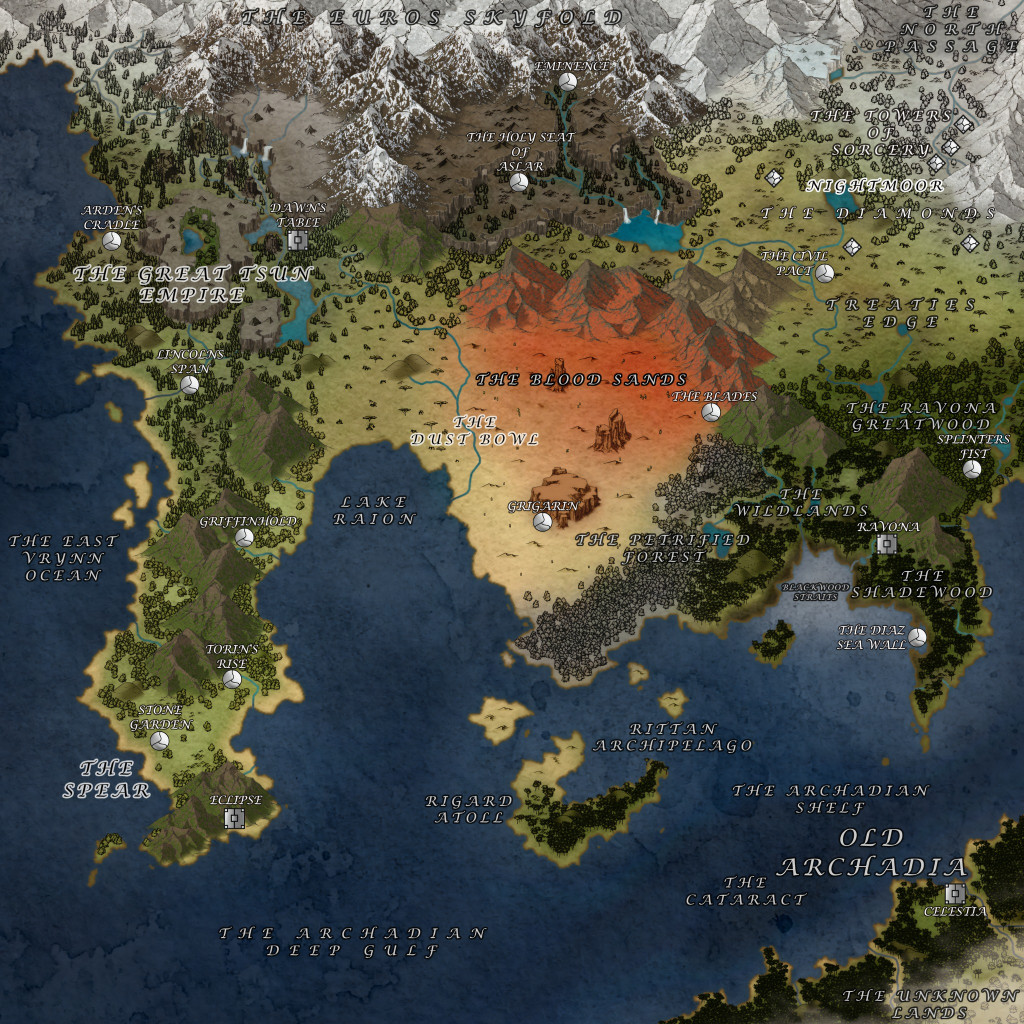
First Place (Gold): Wheel of Eternity TCG
Why Wheel of Eternity won Gold:
Wheel of Eternity is the clearest example this year of a project that treats narrative as a primary system, not a secondary garnish. The game explicitly positions lore, world building, and storytelling as a core differentiator, and it goes a step further by stating that story will actively shape the evolving game itself.
What stood out
-
Narrative-forward identity, stated plainly. The site directly frames Wheel of Eternity’s focus on lore and storytelling as “what sets [it] apart,” which is a strong signal that the setting is not incidental.
-
Story designed to drive long-term structure. Wheel of Eternity notes that story will influence rotations and introduce new factions, heroes, abilities, and keywords over time. That approach is rare in indie TCGs because it requires planning beyond a single set or launch window.
-
A defined conflict with faction identity built in. The game is set during a devastating war, and players step into the role of one of six Classes, each tied to a faction and playstyle. That is world building with immediate gameplay relevance.
Why this matters
Wheel of Eternity earns Gold because it treats lore as a framework for future growth. It is not only building a setting, it is building a narrative engine that can support ongoing expansions while staying coherent.
Second Place (Silver): Powerline Ultra
Why Powerline Ultra won Silver:
Powerline Ultra earns Silver on the strength of its breadth and its consistency as a living universe. Its world is communicated as a large, varied setting that can plausibly support an expanding roster, locations, and escalating threats, and it backs that up with a substantial amount of published character and world-facing material.
What stood out
-
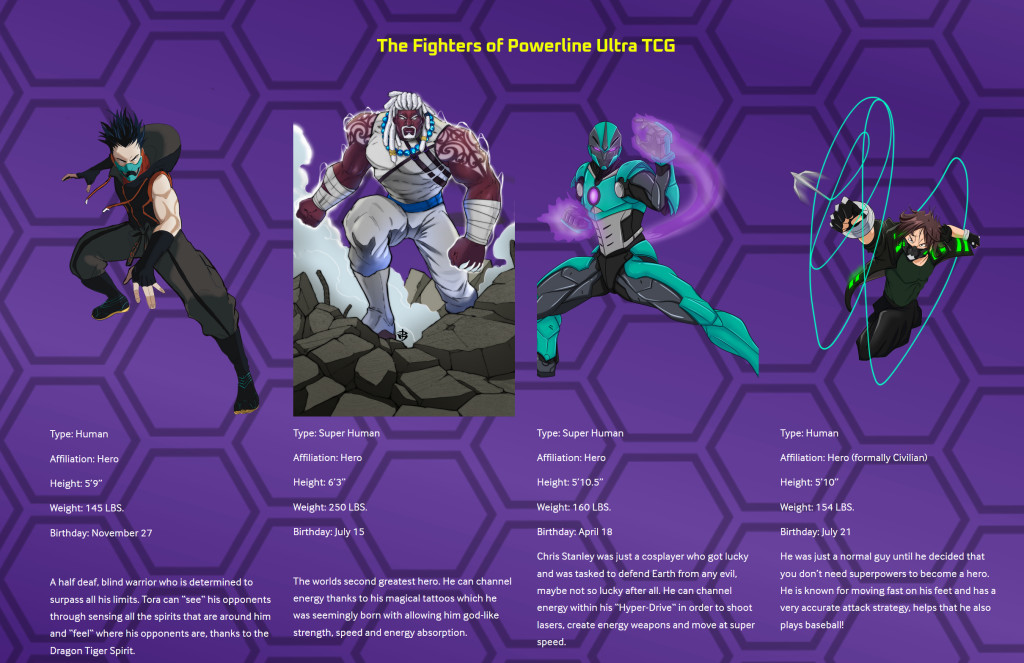
A setting with range and texture. Powerline Ultra is explicitly framed as a fantastical world populated by humans, super-humans, monsters, spirits, ancient creatures, aliens, and “primeval horrors,” which reads like an intentionally wide sandbox built for long-term character and faction growth.
-
A roster presented with story detail. The official site includes fighter entries with identity details and narrative hooks for individual characters, which is one of the most direct ways to make lore feel tangible to players.
-
Supporting narrative infrastructure. Beyond a basic story page, Powerline Ultra publicly surfaces additional ecosystem tools, including a database hub and a comic link in its navigation. That kind of structure signals an ongoing intent to document and expand the universe, not simply reference it.
Why it placed Silver instead of Gold
Powerline Ultra’s setting strength comes from scale and abundance. Wheel of Eternity edged it out because Wheel explicitly frames story as the backbone that will shape meta-level game evolution over time, which is a uniquely lore-first design commitment.
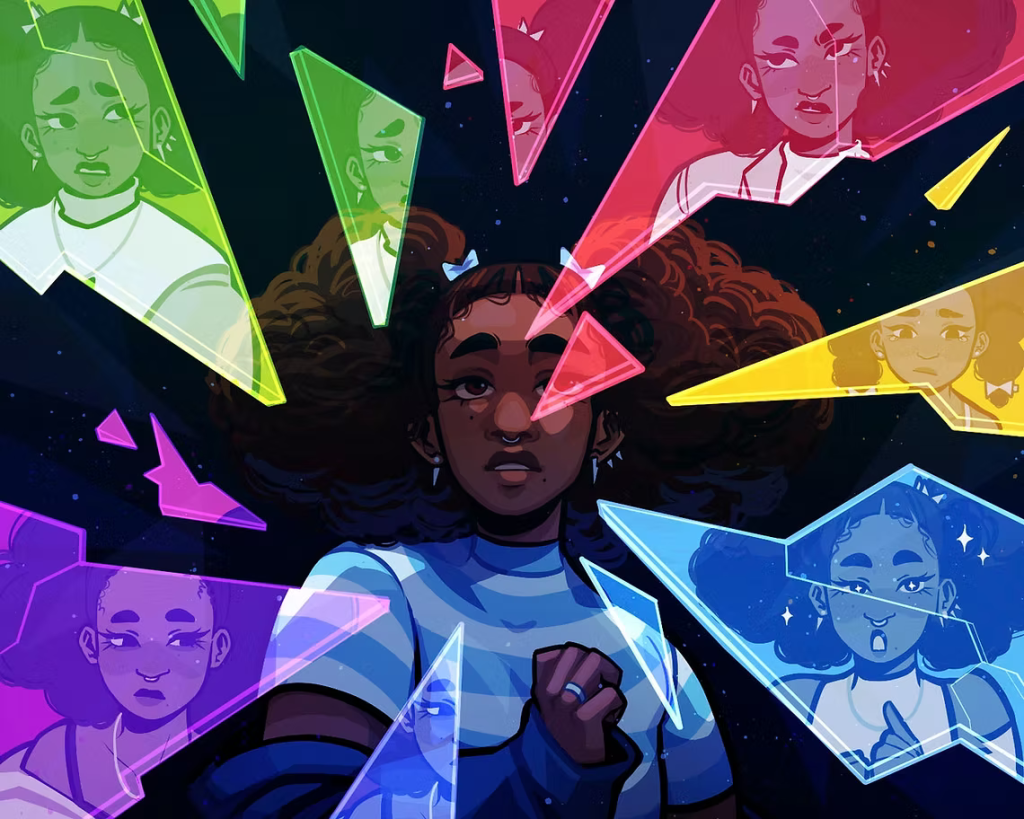
Third Place (Bronze): Universe of Legends
Why Universe of Legends won Bronze:
Universe of Legends earns Bronze for delivering a clear premise with strong stakes, a defined player role, and a lore concept that naturally supports replayability. It has a compelling backbone and publishes enough narrative to understand the setting’s logic and consequences.
What stood out
-
Strong, readable core concept. The Chrono-Dimensional Matrix (CDM) enables time and dimensional travel, and the story explores the consequences of “what-if” experimentation and the belief that history can be rewritten without cost.
-
High stakes that fit a match-based game. The lore describes universes colliding, reality destabilizing, and existential consequences that create a durable justification for conflict.
-
A clear player identity in the fiction. The Vanguard Ascension trains Dimensional Rangers (D-Rangers) to defend their primary timeline, with modified tech enabling them to summon legendary figures and gear. That is a direct bridge between narrative and what a player does at the table.
Why it placed Bronze instead of Silver
Universe of Legends has an excellent foundation and a strong narrative loop, but it reads as earlier in its “lore infrastructure” maturity compared to Powerline Ultra’s breadth and long-running documentation systems. Powerline’s published character compendium style and structured hubs (database and comic presence) provide a larger, more continuously surfaced story ecosystem today.
Official Links:
Wheel of Eternity TCG: https://wheelofeternitytcg.com/
Powerline Ultra: https://www.powerlineultracardgame.com/
Universe of Legends: https://linktr.ee/universeoflegends
Closing
These placements reflect one specific lens: how clearly and structurally each game communicates a world that can scale, remain coherent, and give players a meaningful identity inside the fiction.
-
Wheel of Eternity (Gold) leads with lore as an explicit design pillar that will shape future releases.
-
Powerline Ultra (Silver) demonstrates scope, longevity, and a living universe supported by public-facing narrative infrastructure.
-
Universe of Legends (Bronze) delivers a strong, high-stakes premise with clear player role integration and a lore loop built for repeatable play.

