


Rulebook and Learning to Play Winners (Gold, Silver, Bronze)
A great indie TCG can live or die on one practical detail: how quickly a new player can sit down and play correctly. For the Rulebook / Learning to Play category, we evaluated each nominee’s publicly available learning resources using a consistent lens:
-
Onboarding clarity: does a brand-new player have a “start here” path
-
Rules completeness: does the documentation cover core play, edge cases, and common questions
-
Format support: are there rules for alternate ways to play (limited formats, multiplayer, etc.)
-
Accessibility: are the rules easy to find, readable on mobile, and kept current
Private community teaching and closed Discord content was not used in scoring. This is strictly about what a new player can learn from public materials.
Below are the three winners and why they placed.
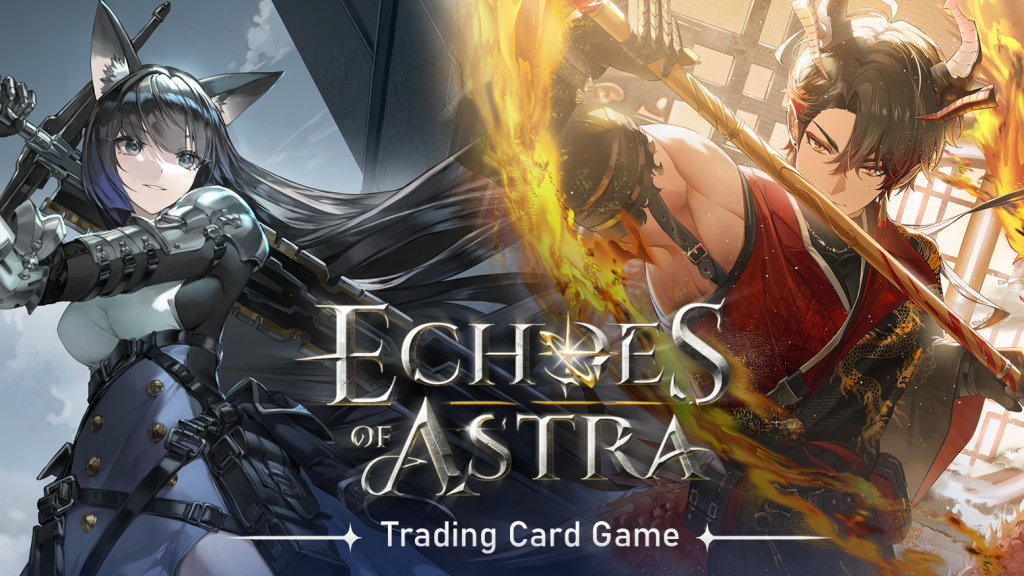
First Place (Gold): Echoes of Astra
Why Echoes of Astra won Gold:
Echoes of Astra delivers the strongest “complete learning ecosystem” out of the field. The project’s rules are built as a structured, web-hosted ruleset with clear entry points for new players, plus supporting documents for multiple play formats.
What stood out
-
A true learning hub, not a single PDF. The Comprehensive Ruleset page provides quick links designed for different needs, including Quick Start Rules, and references to a concise PDF download.
-
Format-specific rule support. Echoes of Astra publishes dedicated rules for Multiplayer, Draft, and Sealed, which is a major maturity signal. Many indie TCGs stop at “1v1 basics,” but formats are where confusion usually spikes, and Echoes addresses that head-on.
-
Ongoing upkeep is part of the plan. The main site explicitly notes the hosted ruleset is updated frequently, which matters because players trust games that correct ambiguity quickly.
Why this matters
Gold goes to Echoes of Astra because its learning resources scale with the game. It supports new players, competitive players, and groups experimenting with different ways to play, all from a centralized ruleset structure.
Second Place (Silver): Warcaste TCG
Why Warcaste TCG won Silver:
Warcaste earns Silver for publishing a clearly positioned competitive authority document and making its “learn to play” path prominent on the official site. This is the profile of a game that expects serious play and supports it with formal rules infrastructure.
What stood out
-
The rules are treated as an authority source. Warcaste’s Rule Book section is presented around its comprehensive rules, signaling an intent to provide consistent answers for competitive gameplay and edge cases.
-
Discoverability is strong. The homepage calls out “Learn to play Warcaste here,” pointing players directly toward the rules resource rather than burying it behind a storefront or social link tree.
Why it placed Silver instead of Gold
Warcaste’s public presentation reads more “comprehensive rules first,” which is excellent for competitive clarity, but it is not as visibly segmented into multiple learning tracks as Echoes of Astra, which offers quick start, formats, and a broader rules hub built to guide different player types.
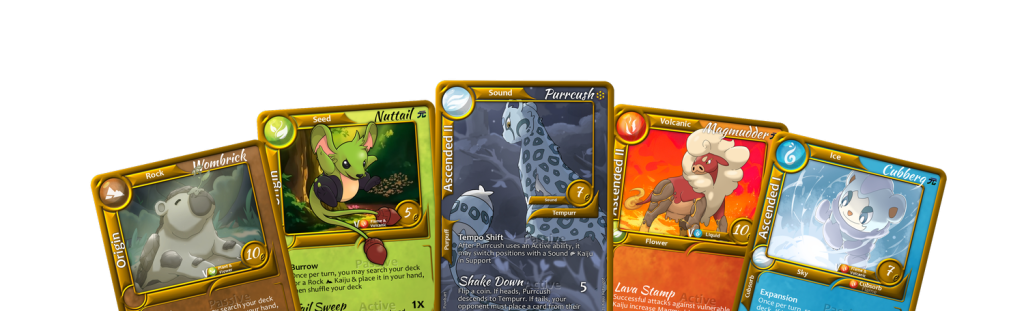
Third Place (Bronze): Kaiju Ketsugo!
Why Kaiju Ketsugo! won Bronze:
Kaiju Ketsugo! earns Bronze because it provides a clean, approachable learning pathway that is easy to navigate, especially for beginners. It does the most important thing well: it gives new players a clear place to start, then offers a deeper rules document for players who want to go further.
What stood out
-
A clear two-step onboarding ladder. The “How to Play” page offers a Quick Start Rule Guide for immediate play and an Official Rules document for deeper study, which is exactly how many players prefer to learn.
-
Strong visual teaching and terminology support. The same learning section breaks down key concepts like parts of a card, the field of play, and ability types, which reduces early misplays and rules anxiety.
Why it placed Bronze instead of Silver
Kaiju Ketsugo!’s learning resources are well structured and beginner-friendly, but the public rules ecosystem does not present the same breadth of format-specific documentation as Echoes of Astra, and it does not emphasize a competitive “ultimate authority” rules posture as strongly as Warcaste. That combination placed it just behind the top two this year.
Official links
Closing
Rulebooks are a form of customer experience. They determine whether a new player feels confident after one game, or confused enough to walk away before a second.
-
Echoes of Astra (Gold) leads with a full learning ecosystem: web-hosted rules, multiple entry points, and documented formats that support the way players actually play.
-
Warcaste (Silver) earns its placement through an “authority rules” posture and high discoverability that signals readiness for serious play and consistent rulings.
-
Kaiju Ketsugo! (Bronze) succeeds by making onboarding approachable with a strong quick-start path backed by a deeper official rules document and clear visual teaching.
Congratulations to all three teams. A strong learning experience is one of the hardest parts of making a TCG, and these projects are doing it the right way.

